
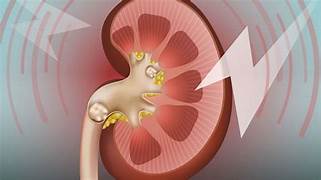
Kidney stones are a common and painful condition that affects millions of people worldwide. These small, hard deposits can form in the kidneys and cause excruciating pain when they pass through the urinary tract. Understanding what causes kidney stones is crucial in preventing their formation and managing this condition effectively. In this blog post, we will delve into the various factors that contribute to the development of kidney stones.

1 Mineral Imbalances:
One of the primary factors leading to kidney stone formation is an imbalance in minerals and salts in the urine. The most common types of kidney stones are composed of calcium oxalate, calcium phosphate, uric acid, and struvite. When there is an excessive concentration of these minerals in the urine, they can crystallize and form stones.
2 Dehydration:
Inadequate fluid intake can result in concentrated urine, making it easier for minerals and salts to precipitate and form kidney stones. Staying well-hydrated is essential in preventing stone formation, as it helps to dilute the urine and flush out these minerals.
3 Dietary Factors:
Your diet plays a significant role in kidney stone formation. Foods high in oxalates, such as spinach, beets, nuts, and chocolate, can contribute to the development of calcium oxalate stones. Additionally, a diet rich in animal protein can increase the excretion of uric acid, increasing the risk of uric acid stones.
4 Genetic Predisposition:
Some individuals have a genetic predisposition to kidney stones. If you have a family history of kidney stones, you may be more susceptible to developing them yourself. Genetics can influence the way your body processes and excretes minerals, making stone formation more likely.
5 Medical Conditions:
Certain medical conditions, such as hyperparathyroidism, gout, and urinary tract infections, can increase the risk of kidney stones. These conditions affect the balance of minerals and salts in the body, making stone formation more likely.
6 Obesity:
Obesity is a risk factor for kidney stones. It can lead to changes in the way the body processes calcium and insulin, both of which can contribute to stone formation.
7 Medications:
Some medications, including diuretics and antacids, can increase the excretion of minerals in the urine, potentially leading to kidney stone formation. If you are on medication and concerned about kidney stones, consult your healthcare provider for guidance.
what are Prevention for kidney causes:
- Stay hydrated by drinking plenty of water throughout the day.
- Limit consumption of foods high in oxalates and reduce sodium intake.
- Maintain a healthy body weight through diet and exercise.
- Monitor your calcium and vitamin D intake, as excessive supplementation can increase the risk of stone formation.
Treatment:
- Pain management: Over-the-counter or prescription pain relievers can help alleviate the pain associated with kidney stones.
- Medical intervention: In some cases, medical procedures such as shock wave lithotripsy, ureteroscopy, or surgical removal may be necessary to treat large or stubborn kidney stones.
- Lifestyle changes: Your healthcare provider may recommend dietary modifications to prevent future stone formation.
Conclusion
Kidney stones can be an incredibly painful and disruptive condition, but understanding the underlying causes is the first step toward prevention and effective treatment. By addressing mineral imbalances, staying hydrated, and making necessary dietary and lifestyle adjustments, you can reduce your risk of kidney stones and enjoy better kidney health. If you suspect you have kidney stones or are at risk, consult with a healthcare professional for personalized guidance and treatment options.